With 2026, expectations in occupational health and safety have shifted away from the classic "one inspection a year" mindset towards a structure that is continuously monitored, recorded and managed with data. For HR and OSH teams the practical meaning is this: compliance is no longer a one-off paperwork exercise but an operating process.
With the new regulations, employers' scope of responsibility has been significantly expanded, and risk assessment processes in particular have been made more systematic, data-driven and regular. Below we look at where that expansion concretely lands, and what organisations need to have ready under each heading.
What Do the 2026 Regulations Change in Practice?
The defining shift is that OSH has moved from a document-based compliance area to a continuously measured operation. The conditions that trigger a risk analysis have broadened, the expectation that training be practical has strengthened, digital record-keeping has been encouraged, and psychosocial risks have been brought more firmly into scope.
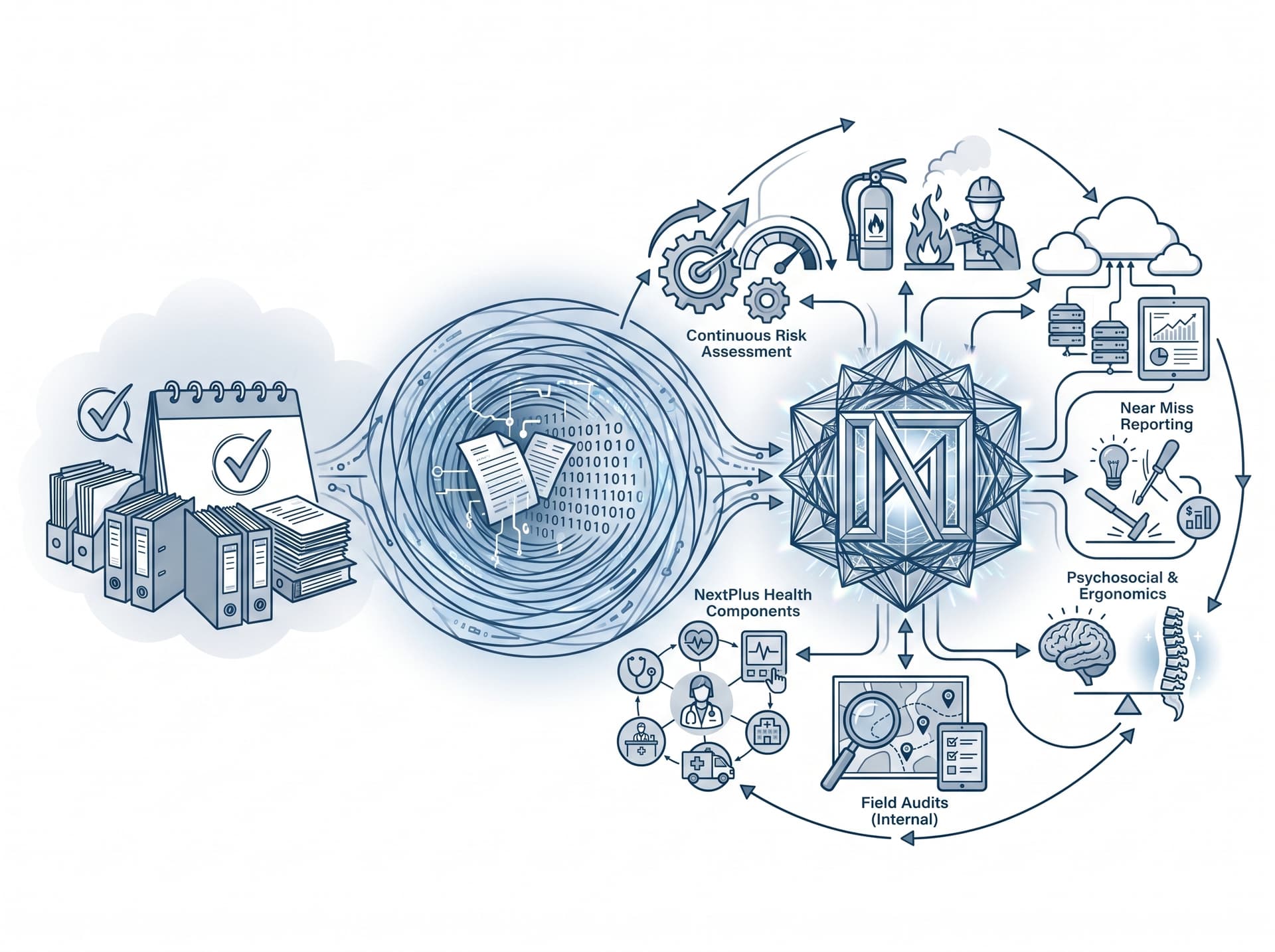
Most of these headings feed one another: an organisation without a digital record infrastructure cannot report near-miss incidents in real time; and an organisation without near-miss data cannot update its risk analysis against what is actually happening on site. Compliance therefore needs to be built as a whole system rather than item by item.
1. Risk Assessment: Change-Driven, Not Periodic
It is now mandatory to update risk analyses not only at specific intervals but also whenever changes occur in work processes. Commissioning a new machine, reorganising a production line, changing the shift structure or a new subcontractor arriving on site — each of these is a trigger that alters the risk picture.
Internally, this means taking risk assessment out of the calendar and merging it with the change management process. In practice that amounts to establishing a simple flow ensuring the team initiating a process change also informs the OSH team.
Being able to demonstrate that the risk analysis was updated matters at least as much as the update itself; it should be traceable which change triggered which analysis, and on what date.
2. Scope of Training and the Move to Practical Delivery
Occupational health and safety training provided to employees has become more comprehensive, and training is expected to be conducted not only theoretically but also practically. A fire procedure explained in a meeting room and an evacuation drill actually rehearsed on site are not the same thing — neither before an inspector nor in terms of employee behaviour.
Periodic renewal of training and recording it through digital systems are also among the mandatory requirements. This means it must be possible to report at any moment who took which training and when, and when that training is due for renewal.
On sites with high turnover, the most common failure is a new starter reaching the work area before their training is complete. Linking the training record to the onboarding process closes that gap.
3. Digital Record-Keeping and Reporting Infrastructure
Organisations are encouraged to transition to digital record-keeping and reporting systems, and the effective use of these systems is taken into account during inspections. What is decisive here is not the brand of software but that records are kept immediately, completely and traceably.
In a system run on paper forms, the biggest risk is that the record is delayed or never created at all. A digital infrastructure creates the record at the moment the incident occurs, producing real data for analysis.
At a minimum, keeping the following records digitally makes life easier:
- Risk assessments and the reasons for each update
- Per-employee training history and renewal dates
- Periodic health examination results and follow-up dates
- Workplace accident and near-miss incident reports
- Emergency drill records and attendance lists
- Personal protective equipment issue and replacement records
4. Reporting Near-Miss Incidents
The immediate reporting and analysis of workplace accidents and near-miss incidents have been placed at the centre of a preventive approach. A near miss is an event that caused no harm in its outcome but could have done so given its circumstances; it therefore carries a much earlier warning signal than accident statistics do.
The real difficulty under this heading is cultural rather than technical: if an employee believes a report will come back to them as a sanction, they will not report. A system in which near-miss reports are treated as learning material rather than grounds for punishment directly improves data quality.
5. Emergency Plans and Drills
Emergency plans must be kept up to date, drills must be conducted regularly, and employees must actively participate in these processes. A plan's currency is measured not by its date but by how well it matches the actual layout on site: is the assembly point still reachable, has the evacuation route been blocked by a new store, are the people named in the emergency response team still with the company?
The output of a drill should not be merely a "completed" record but a measured evacuation time and a list of the problems identified. That measurement sets the target for the next drill.
6. On-Site Inspections and Penalties
On-site inspections have been tightened, and penalties for non-compliance have been increased. In this picture, the single factor working most in an organisation's favour is having found and closed its non-conformities through its own internal audits before the inspection.
Regular internal site walks, cross-audits and holding subcontractors to the same standard markedly reduce the chance of a surprise during an external inspection. In multi-location organisations, levelling the standard across sites should be treated as a separate workstream.
7. Psychosocial Risks, Ergonomics and Employee Wellbeing
In the new period, issues such as psychosocial risks, employee wellbeing and ergonomics have also been more strongly incorporated into the scope of OSH. Employers are expected to develop policies that not only ensure physical safety but also safeguard employees' mental and emotional health.
This is where OSH and employee wellbeing programmes intersect. Burnout, disrupted sleep, distraction and chronic stress are factors that directly increase accident risk. Psychological support and stress management services therefore become a component of safety performance rather than merely a fringe benefit.
On the ergonomics side, workstation setup comes to the fore for office employees, while manual handling, repetitive movement and postural load matter most for field employees. Applying the same programme to both groups will not produce the expected result.
Compliance Checklist
- Has the risk assessment been updated so that process changes are recognised as triggers?
- Does training include a practical component, and are records kept digitally?
- Does the onboarding process prevent anyone reaching the work area before training is complete?
- Are near-miss reports collected through a flow that is not punitive for the employee?
- Has the emergency plan been checked against the current layout on site?
- Is evacuation time measured and reported during drills?
- Are subcontractors held to the same OSH standard?
- Have psychosocial risk and ergonomics been addressed separately for office and field?
NextPlus Health's Role in This Process
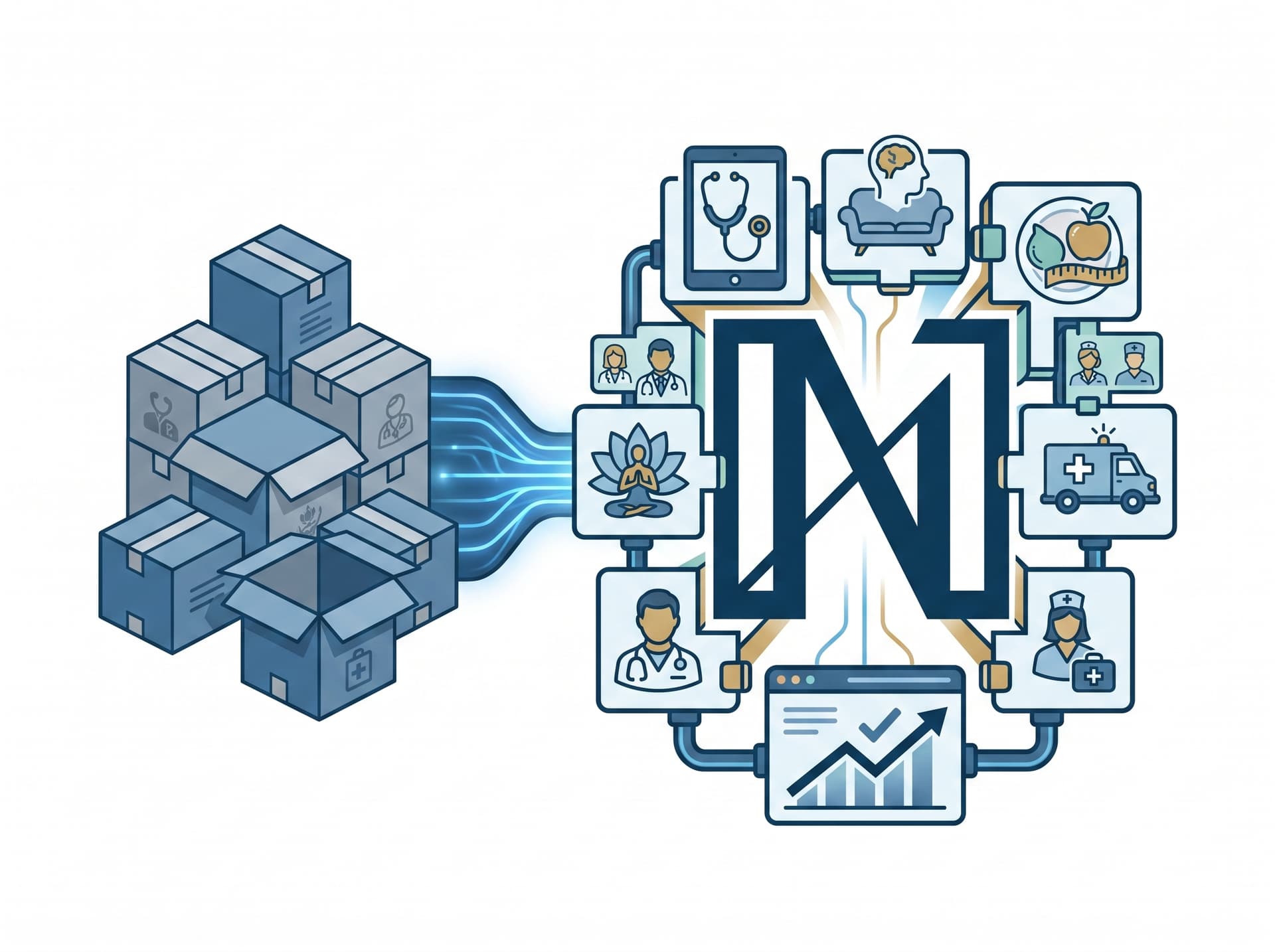
At NextPlus Health we design the health-side components of OSH compliance around the organisation's existing structure: planning and tracking periodic health examinations, workplace physician and fixed infirmary services, ambulance and emergency response coverage for field operations, and psychological support and stress management programmes on the psychosocial risk side.
Making examination and service utilisation records traceable through anonymised reports allows OSH teams to see which risks are concentrated in which employee group, and to base the following period's plan on data.
Frequently Asked Questions
How often does a risk assessment need to be updated?
In addition to set intervals, it must be updated whenever changes occur in work processes. In practice that means establishing a change-triggered flow rather than a calendar-based renewal.
What does it mean for training to be practical?
The procedure is expected to be rehearsed on site, not merely explained. A practical component is looked for in areas such as evacuation drills, using a fire extinguisher, or correctly fitting personal protective equipment.
Why has near-miss reporting become so important?
Near misses are warning signals that arrive before harm occurs. Because they allow intervention far earlier than accident statistics do, they have been placed at the centre of the preventive approach.
How do psychosocial risks fall within OSH scope?
Because conditions such as burnout, chronic stress and distraction directly increase accident risk, employers are expected to develop policies that safeguard employees' mental and emotional health alongside physical safety.
Are subcontractor employees also covered?
It is essential that everyone working on site is subject to the same safety standard. On projects run with multiple contractors, levelling that standard across firms is decisive both for inspections and for safety performance.
Conclusion
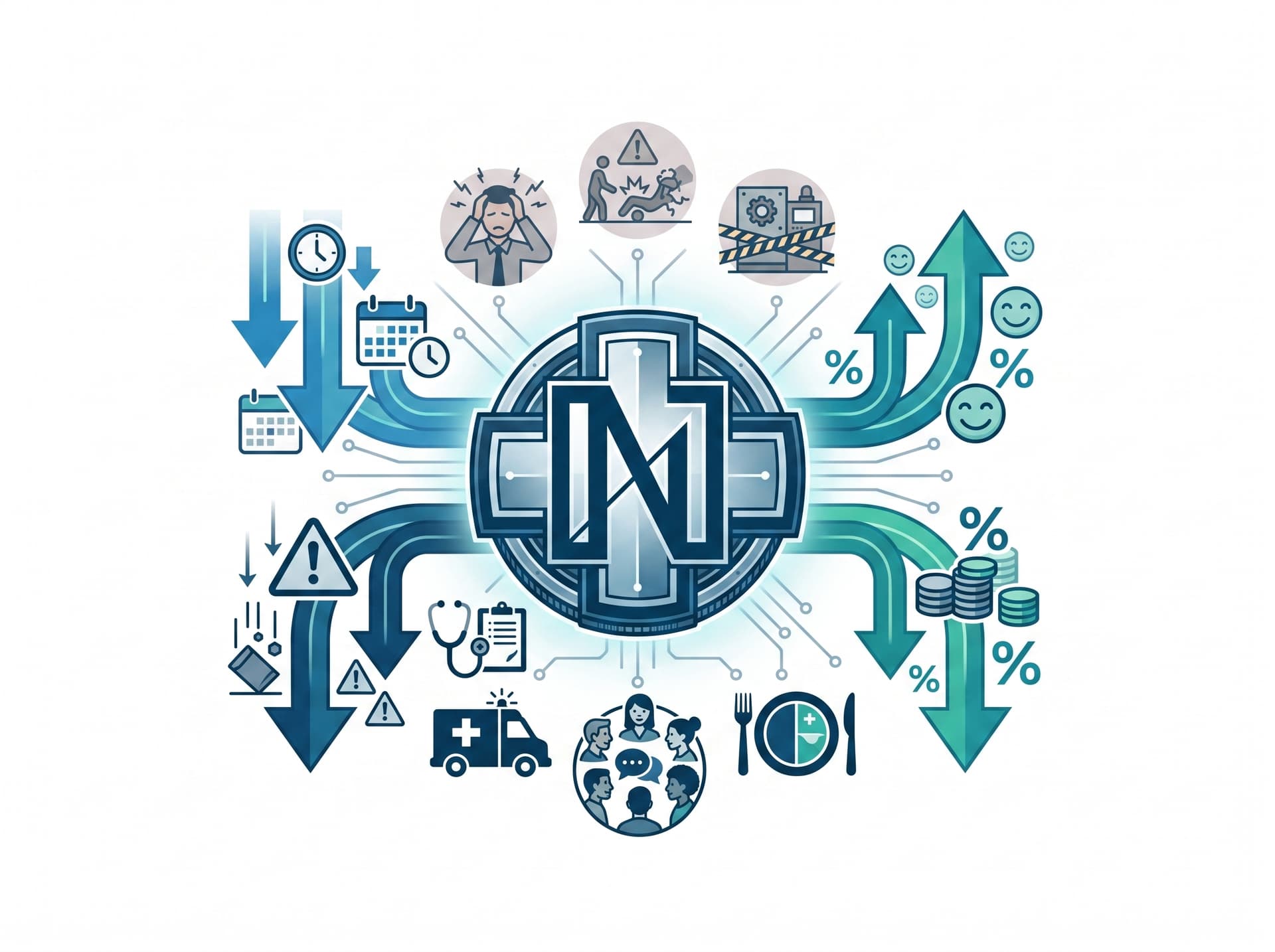
All of these regulations aim to establish a sustainable safety culture within organisations and to reduce workplace accidents to a minimum. Organisations that build compliance as an operating process rather than at the level of paperwork see a measurable difference not only in inspection readiness but also in lost workdays and accident frequency.
This article offers a general framework; the scope of the obligations applying to your organisation varies according to sector, headcount and hazard class. Before implementation, we recommend reviewing it together with your OSH specialist and workplace physician.
To learn more about health and wellbeing solutions tailored to your organisation, or to request a proposal:
E-mail: satis@nextplushealth.com Phone: 444 9 309